Exclusive member offers coming soon
|

You booked the appointment, picked the perfect shade, and walked out of the salon feeling brilliant. Three weeks later, the ends of your hair feel like straw, and you can see tiny forks splitting up the strands. If you’re dealing with split ends after hair coloring, you’re far from alone. It’s one of the most common complaints among people with highlighted, bleached or chemically treated hair.
The good news is that colour damage is manageable. This guide explains why colouring causes splitting, what you can and can’t “fix,” and the exact routine of shampoo, hair mask and serum that helps keep colour-treated hair smoother, stronger and more resilient. You’ll also learn which habits quietly make things worse.
Your hair’s outer layer, the cuticle, works like overlapping roof tiles. Hair colour, and especially lightening or highlights, lifts those tiles so pigment can enter or leave the strand. Each time you colour, a little more of your hair’s natural lipids and moisture goes with it.
Over time, this leaves the hair:
The ends are the oldest part of your hair and have survived the most washing, brushing and styling. They give out first, and the fibre unravels into a split.
Honesty matters here: a split end cannot be permanently glued back together. Any product claiming to “repair” splits completely is overselling. A trim is the only true removal.
What the right products can do is:
Think of it as prevention and damage control: trim what’s already split, then protect everything above it. A small trim of about half an inch every 8 to 12 weeks keeps splits from travelling up the hair shaft.
Your shampoo is the product you use most often, so it matters most. Strong sulphate cleansers can strip colour and natural oils, leaving already-fragile hair even drier.
A sulfate free shampoo (also spelled sulphate free) cleans with milder surfactants, so it’s kinder to chemically treated hair and helps colour last longer. Look for:
Colouring can irritate the scalp, especially if you’ve had bleach or ammonia-based dye. If your scalp feels tight, itchy or stings, choose a gentle shampoo for sensitive scalp that’s free from harsh sulphates and parabens, and wash with lukewarm water rather than hot.
Ceramides are lipids that occur naturally in hair and help hold the cuticle together. A ceramide shampoo for damaged hair is designed to support the hair’s barrier. If you have weak, fragile strands, a strengthening shampoo for weak hair or nourishing shampoo for fragile hair, especially a sulphate free ceramide shampoo, is a smart choice. Likewise, a shampoo for hair breakage and split ends is best used as part of a routine, not as a miracle solution.
Tip: Wash two to three times a week instead of daily, and focus shampoo on the scalp. The suds rinsing down are enough to clean the lengths.
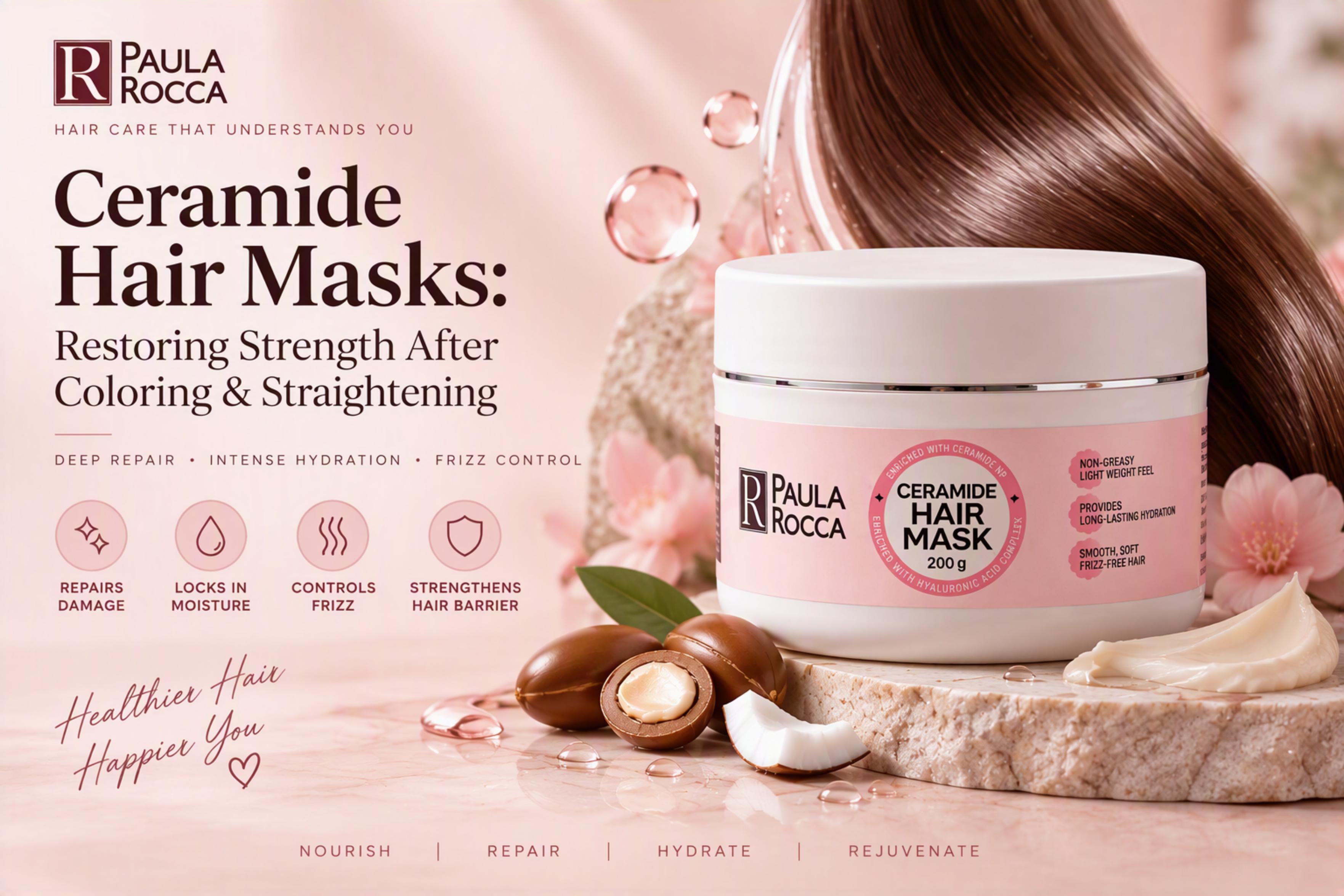
If shampoo is your foundation, a deep conditioning hair mask is your repair session. Masks contain richer conditioning ingredients than everyday conditioner and sit on the hair longer, so they give more softness and slip.
Choose according to your hair’s needs:
How to use it:
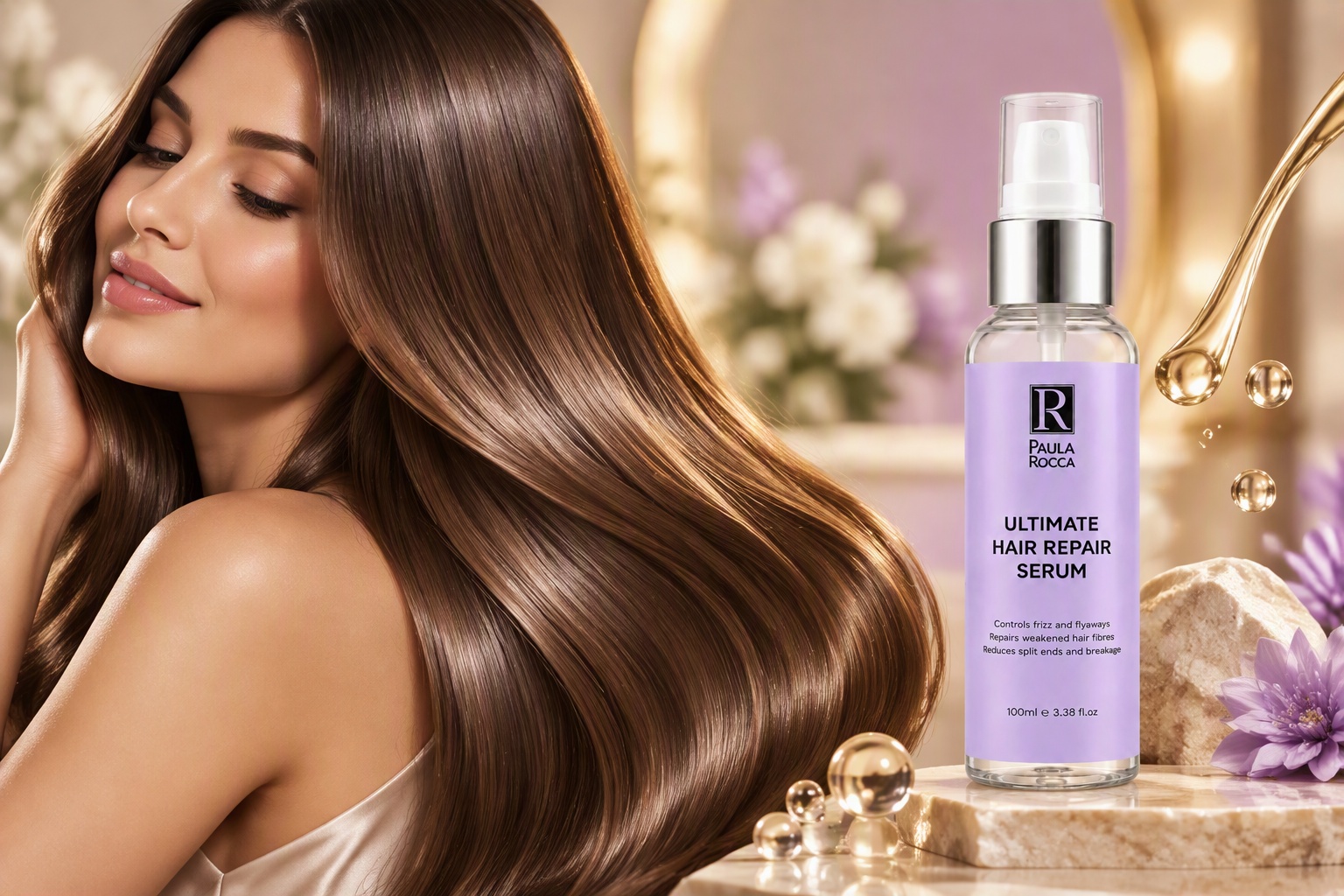
A serum is the final layer of protection. It coats the surface of the strand, adds shine, and reduces friction, which is exactly what split-prone ends need.
Pick based on your main concern:
How to apply: use one to two drops on damp hair, rubbed between your palms and run through the ends only. Add a touch on dry hair for a shine boost. A little goes a long way; too much makes hair look greasy.
Hair colour can upset your scalp, and flaking is often mistaken for dandruff. If you notice white flakes, itch or tightness, the cause might be dryness, product build-up or true dandruff, and each needs a different approach.
If flaking, redness or itching is severe or persistent, see a dermatologist rather than guessing.
Products help, but habits decide whether your effort holds. Here’s what to change:
Stack these with the three-step routine above and you’ll see the difference over a few weeks, not overnight. Consistency is what counts.
Why do I get split ends after colouring my hair?
Colouring and lightening lift the cuticle and remove natural moisture, making the hair porous and brittle. The ends, being the oldest and most worn part, give way first and split.
Can a shampoo or hair mask repair split ends?
No product can permanently fuse a split end; only a trim removes it. A gentle shampoo, deep conditioning hair mask and smoothing serum can temporarily seal and soften the ends and help slow new splits.
Is sulphate free shampoo better for colour-treated hair?
Yes, in most cases. Sulphate free shampoos clean more gently, so they are less likely to strip natural oils and help colour last longer.
How often should I use a hair mask on coloured hair?
Once a week is a good starting point for most colour-treated hair. Very dry or bleached hair may benefit from twice a week, while fine hair may need less.
How often should I trim hair to stop split ends?
Trimming roughly every 8 to 12 weeks helps stop splits from travelling up the strand. If you bleach or highlight often, aim for the shorter end of that range.
Split ends after hair coloring aren’t a sign you’ve ruined your hair. They’re a signal that it needs gentler cleansing, deeper moisture and better protection. Trim what’s already damaged, wash with a sulphate free shampoo, mask weekly, finish with a serum, and your colour-treated hair can look smooth and feel strong.
Ready to build your routine? Explore Paula Rocca’s range of shampoos, hair masks and serums, all sulphate free, paraben free, cruelty free and dermatologist tested, and find the right match for your hair at paularocca.com. You can also check out the combos to put a full routine together in one go.